
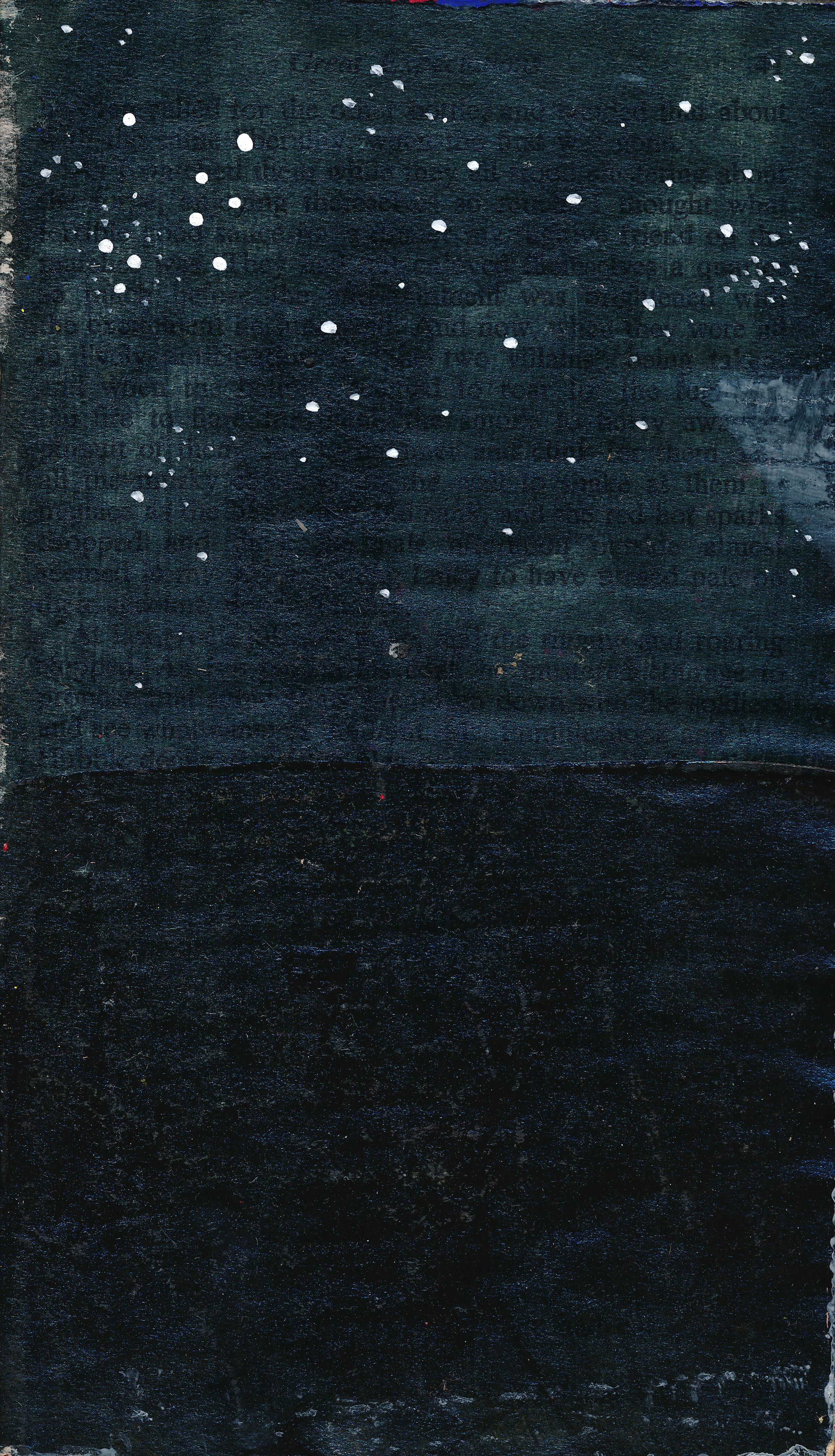
I had a dream, which was not all a dream.
The bright sun was extinguish’d, and the stars
Did wander darkling in the eternal space,
Rayless, and pathless, and the icy earth
Swung blind and blackening in the moonless air.
One day, one page, one sketch of GREAT EXPECTATIONS, published daily at 8:40 AM.
 The Theory and Practice of Oligarchical Collectivism is a fictional book in George Orwell’s 1984 novel. The Book explains the concept of perpetual war, and the true meanings of the slogans WAR IS PEACE, FREEDOM IS SLAVERY, and IGNORANCE IS STRENGTH. Wait, shouldn’t the second slogan haven been SLAVERY IS FREEDOM instead?
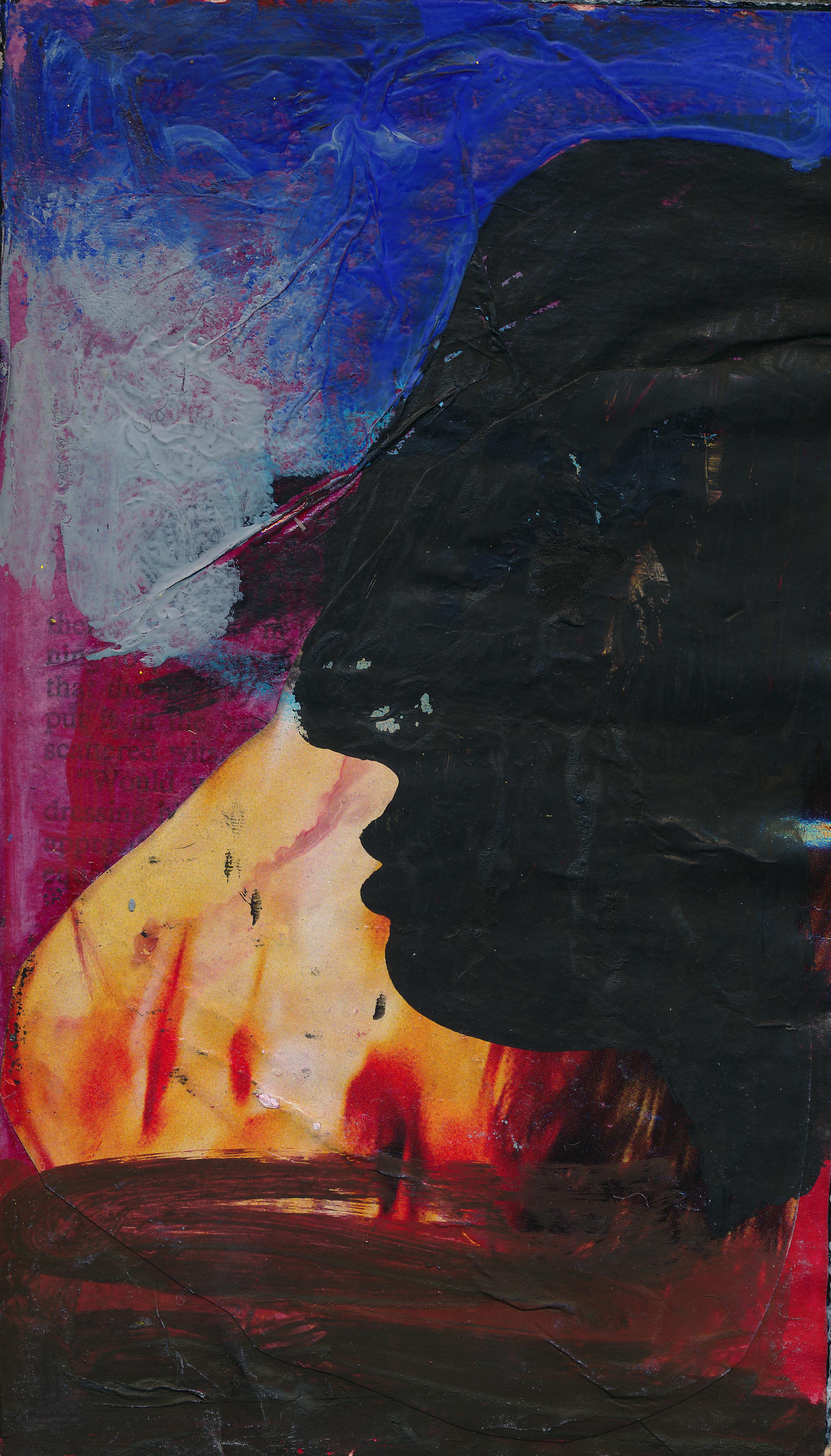 Get things out the door and off into the wider world. Stop pushing yourself so hard. Go with the flow and trust where the current of life takes you. If you let go now, there is no turning back.
 Question to Jockum Nordström: Do you always complete the work you start, or do you sometimes leave work unfinished?
I think you’re in good shape when you have a lot of things unfinished. That way there is always room to go on with your work, somewhere to take off from. Still, I can’t leave a project before it has a little bit of a soul. It must have a soul before I leave it alone.
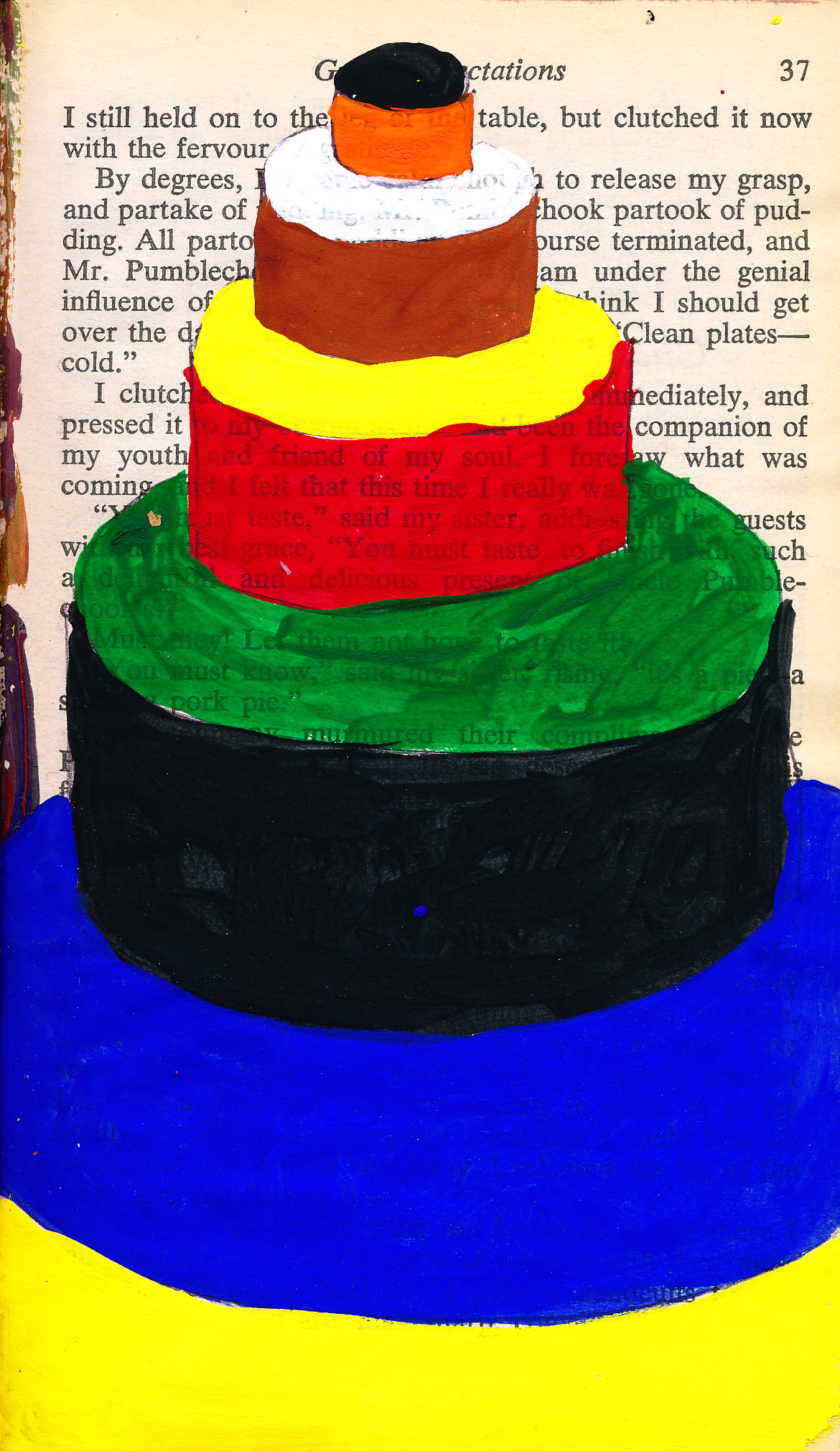 “Porky pie” in British English means a trivial lie, like in “he told a porky pie about eating his spinach.” Somehow I thought “porky pie” meant something else.
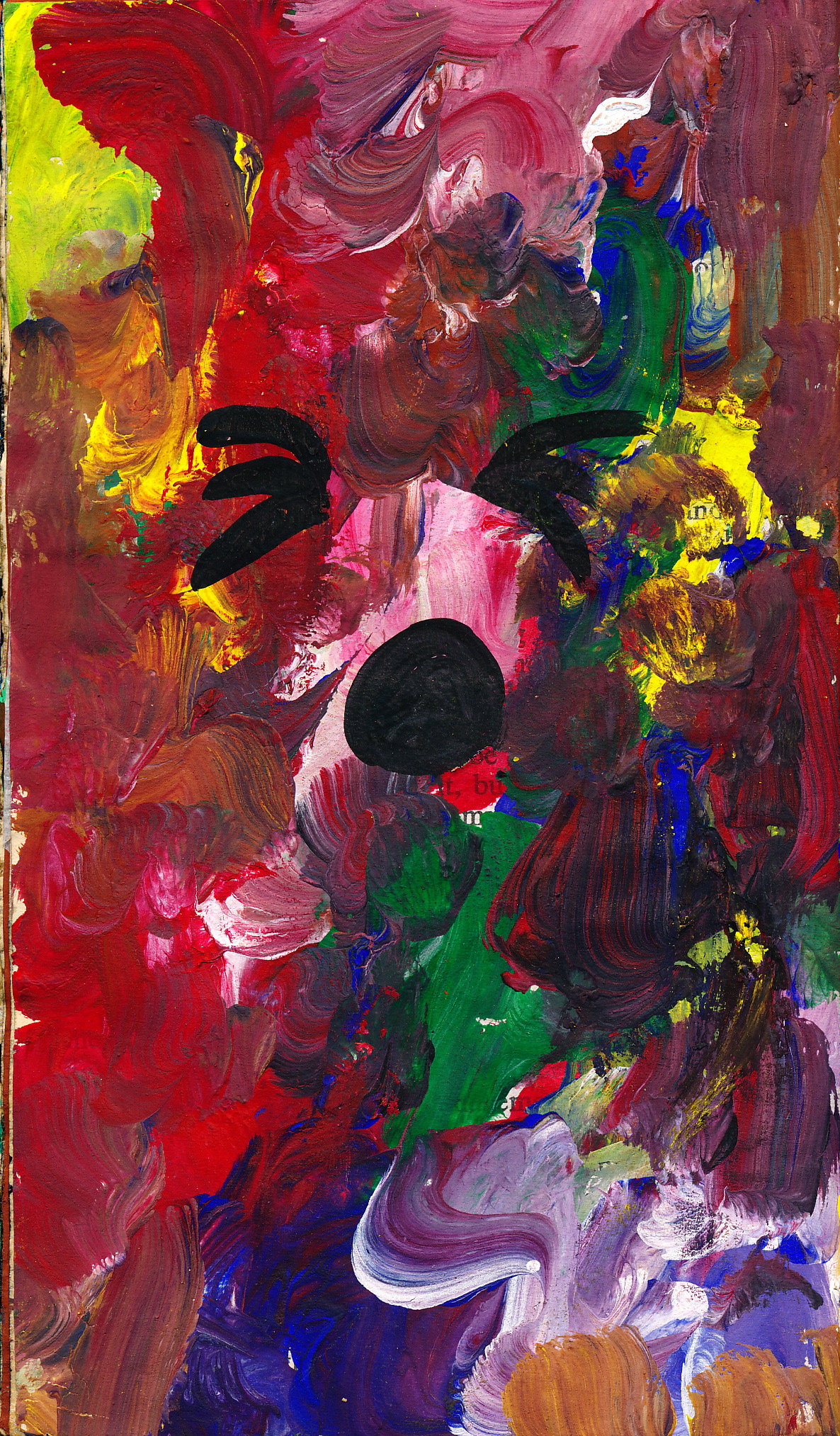 I am a teetotaler. I really don’t know how I came to be one. I think it was a natural development. I didn’t know this had a label, though. I learned about it watching Downton Abbey. I guess everything has a label these days.
 I have an unpleasant memory as a kid of a family member that tried to force me to eat sardines, and the more she tried, the less I wanted anything to do with them. She was, in fact, bulling me to cave to her commands. It was awful.
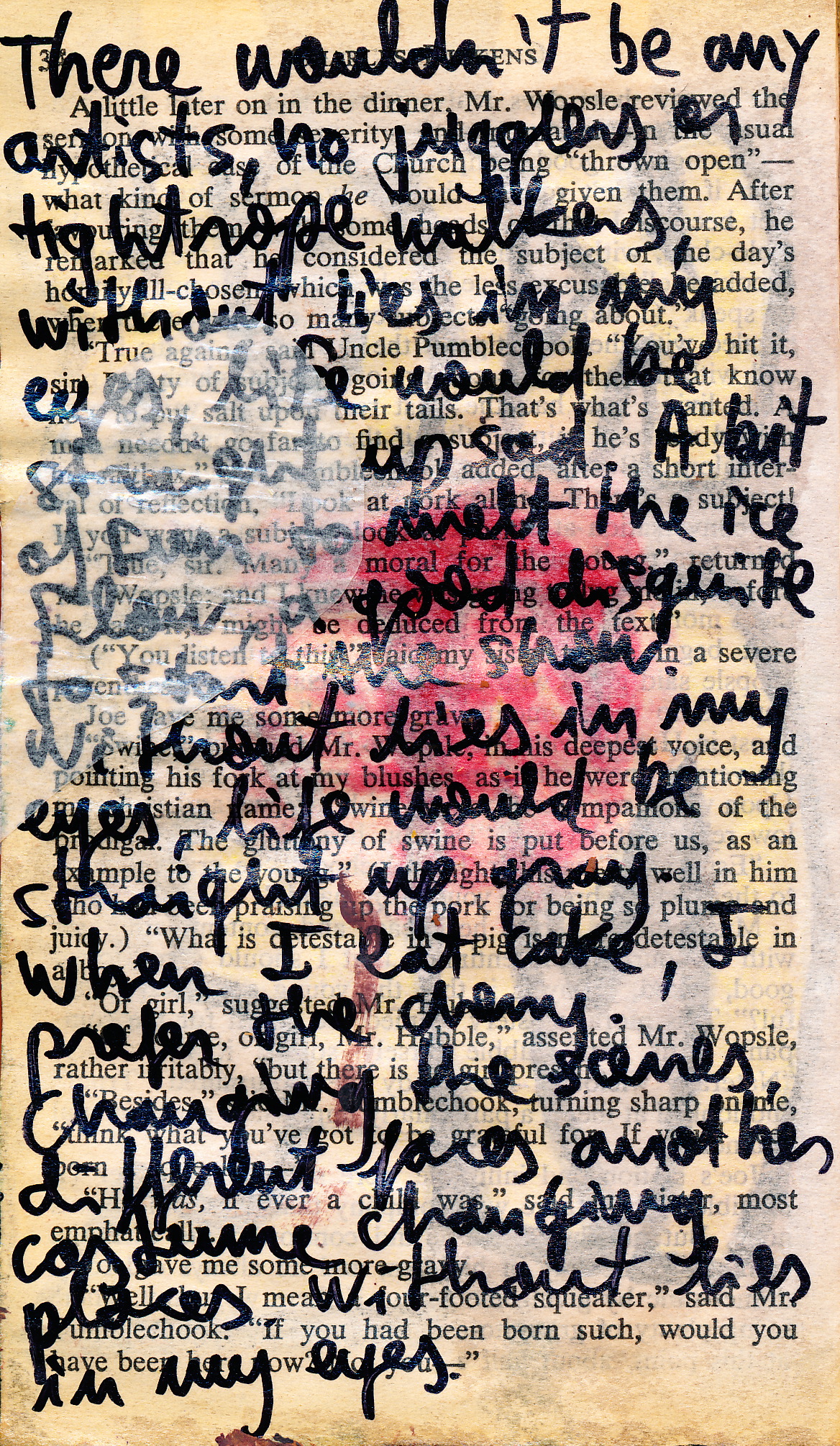 “When I eat cake, I prefer the cherry.”
 There are many themes in the novel. One of theme is guilt. It is one of the main reasons I love the story. The hero, Pip, feels guilty about everything, all the time. He assumes culpability in each relationship, even though he’s always innocent. He takes the guilt of the world on his shoulders.
 To read Great Expectation is to listen to it. Dickens sustains a beautiful lyrical tone in his descriptions of people and places along the entire novel. The prose is very musical. It’s like reading poetry. Mr. Hubble’s wide stance is described on with page in a hilarious yet whimsical way.
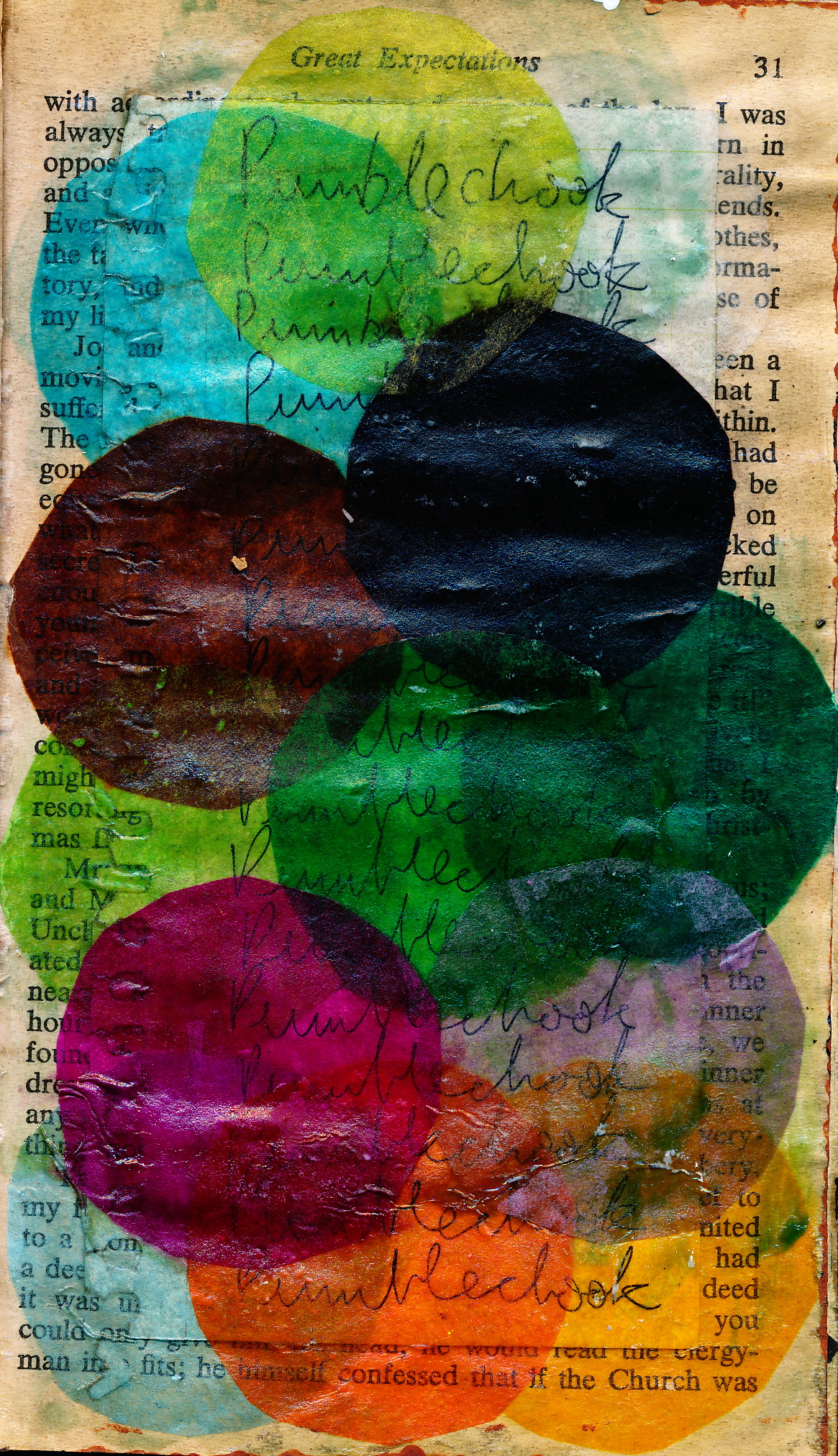 And here comes Mr. Pumblechook! This is a fun character. He is the local seedsman (he sells seeds and other stuff). He is a food hoarder, greedy, and a bully. I just love that name: Pumblechook.
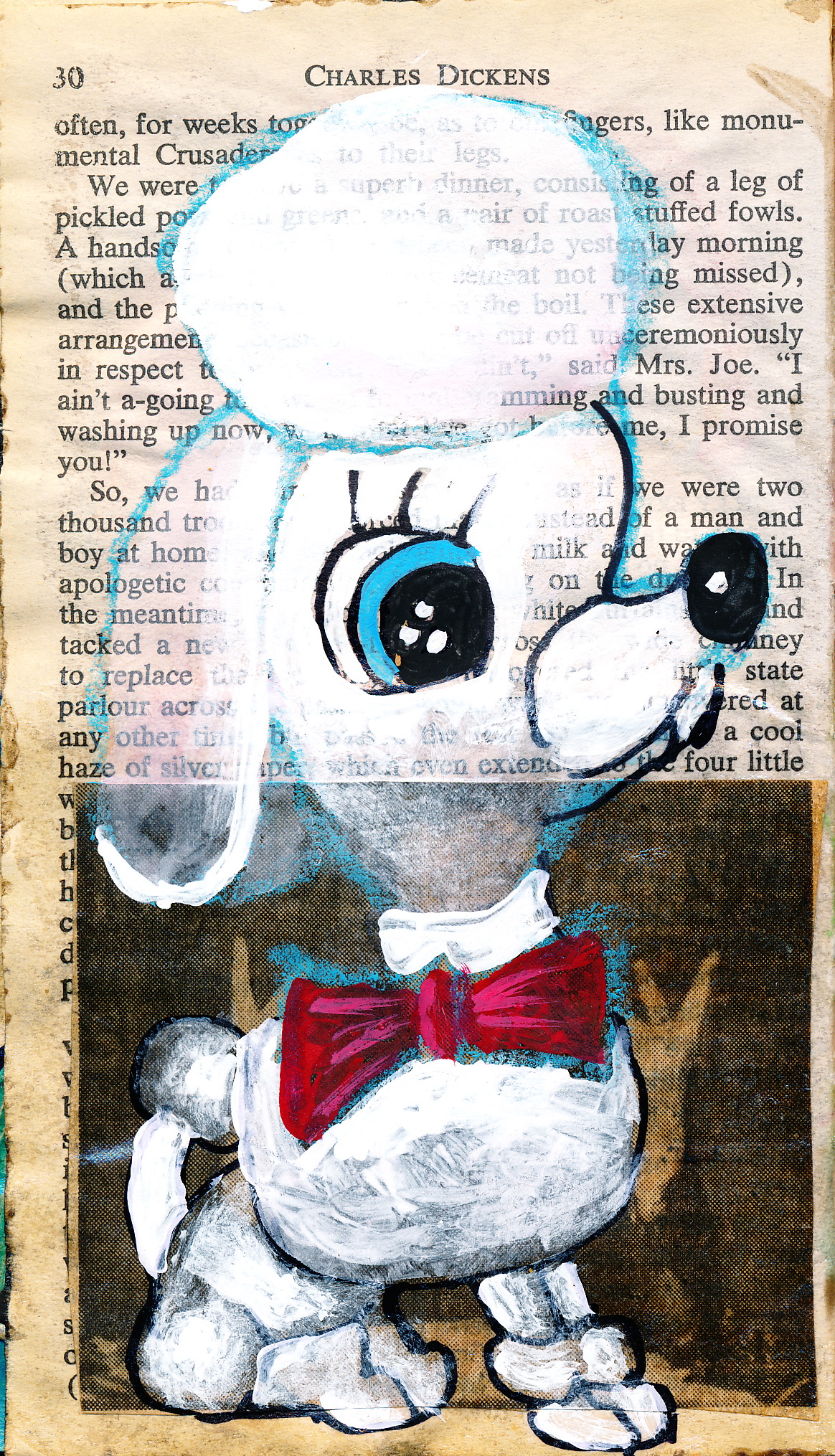 On Sunday I got a little porcelain figurine. It’s a little naked cherub-like young man pushing a wheelbarrow that has a cracked porcelain egg with embedded pink roses on it. The egg opens and the whole thing becomes a small jewelry box. It reminds me of the little white crockery poodles described on this page.
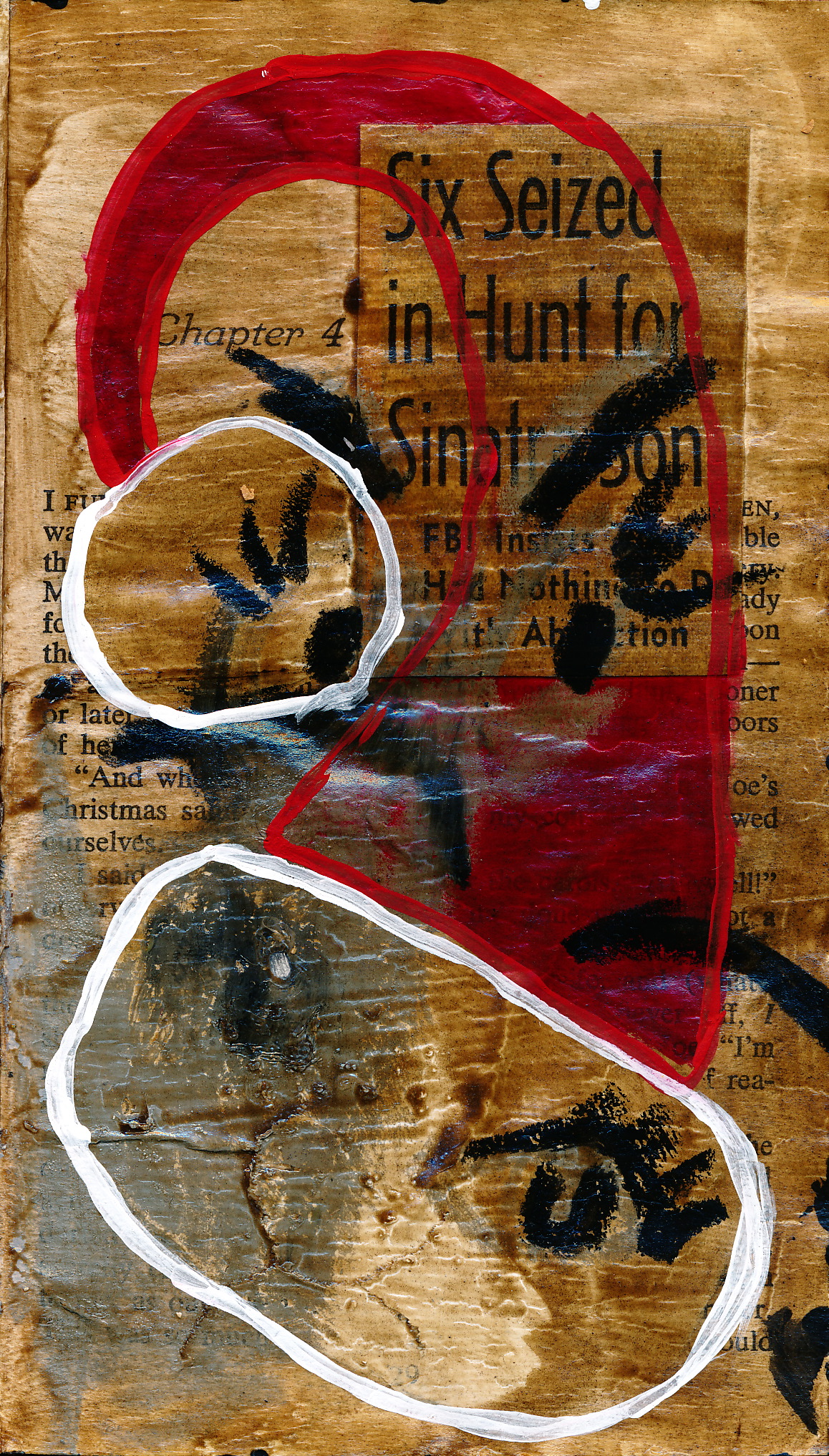 It’s the highly stressful and quickly paced Christmas scene. Dinner with 6, plus Pip. There is a reference to statues here, a trend in the 13th C. to render knights in statues with their legs crossed. Legs crossed at feet=1 Crusade campaign, crossed at knees=2 Crusades, crossed at thighs=3 Crusades. How do you cross your legs?
 There’s nothing left to try
There’s no place left to hide
There’s no greater power
Than the power of good-bye
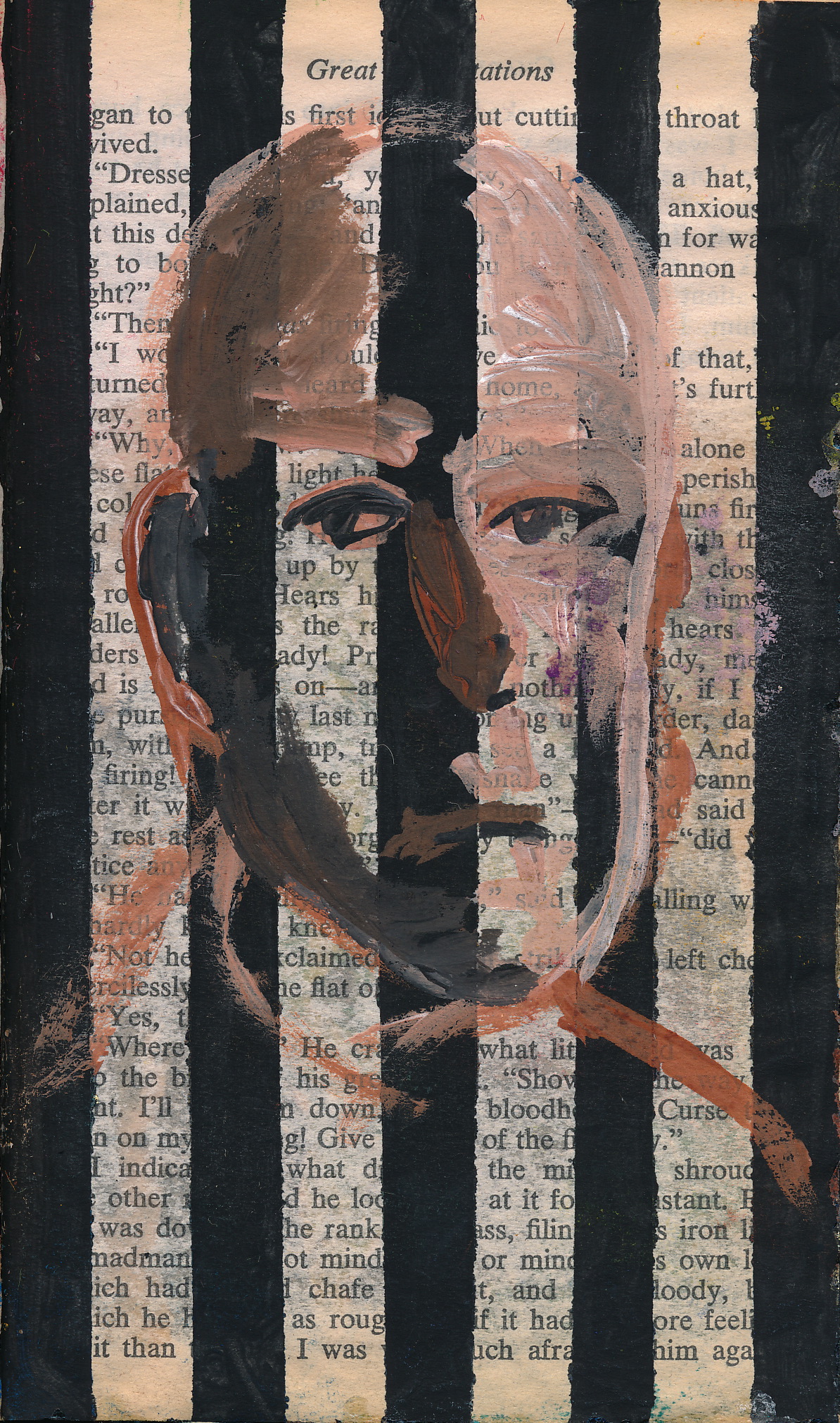 In pre-Victorian days, convicts were given numbers instead of names, to stigmatize them as nonpersons and to keep them from being identified. On the other hand, carriages and hotel rooms were entitled to names instead of digits.
 The Havisham Hour