
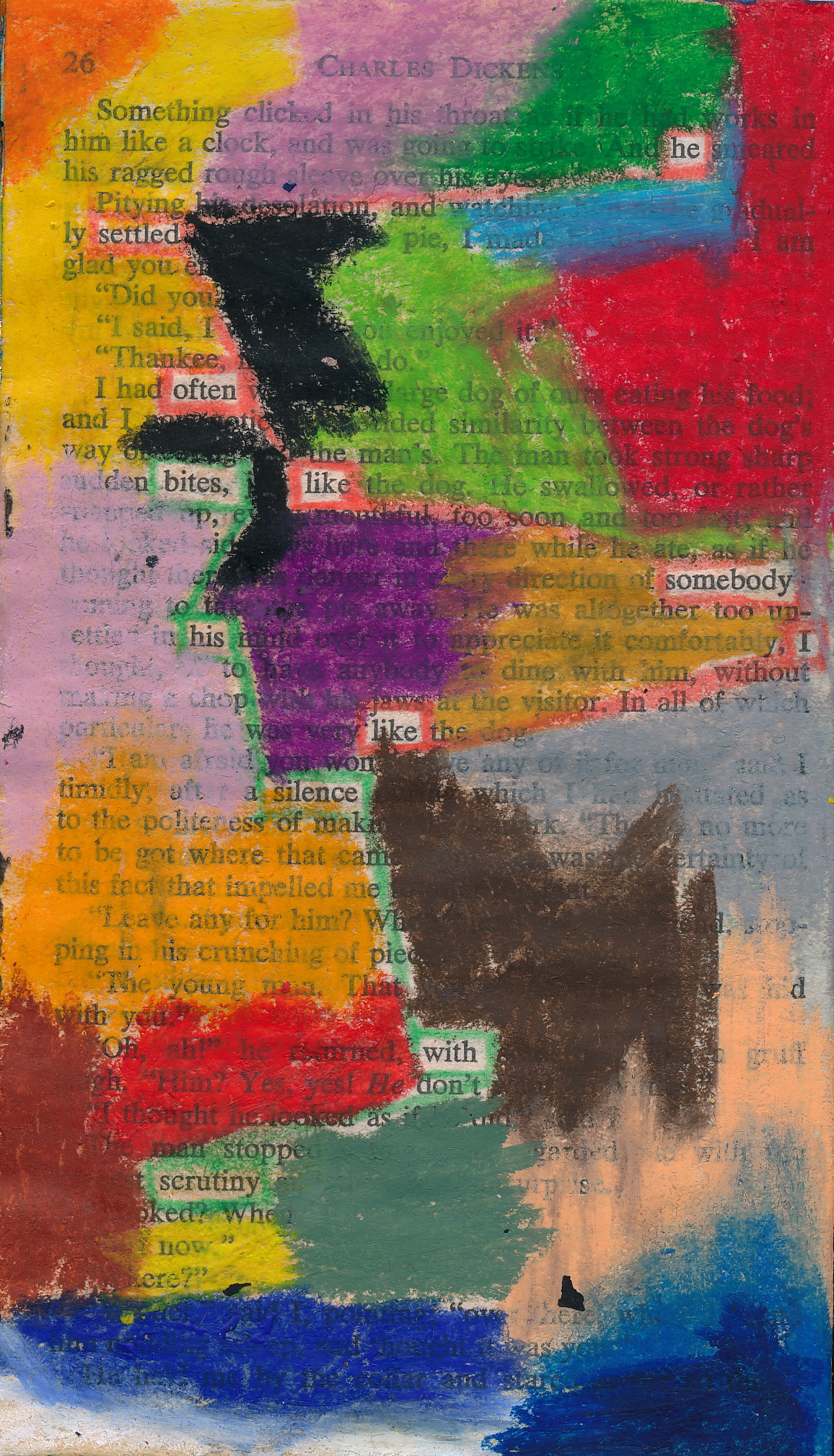
 “No one, at any rate no English writer, has written better about childhood than Dickens. In spite of all the knowledge that has accumulated since, in spite of the fact that children are now comparatively sanely treated, no novelist has shown the same power of entering into the child’s point of view.” George Orwell.
Day/Page/Sketch #17
 This isn’t Paris.
This isn’t London.
This isn’t Berlin.
This isn’t Hong Kong.
This isn’t Tokyo.
Day/Page/Sketch #16
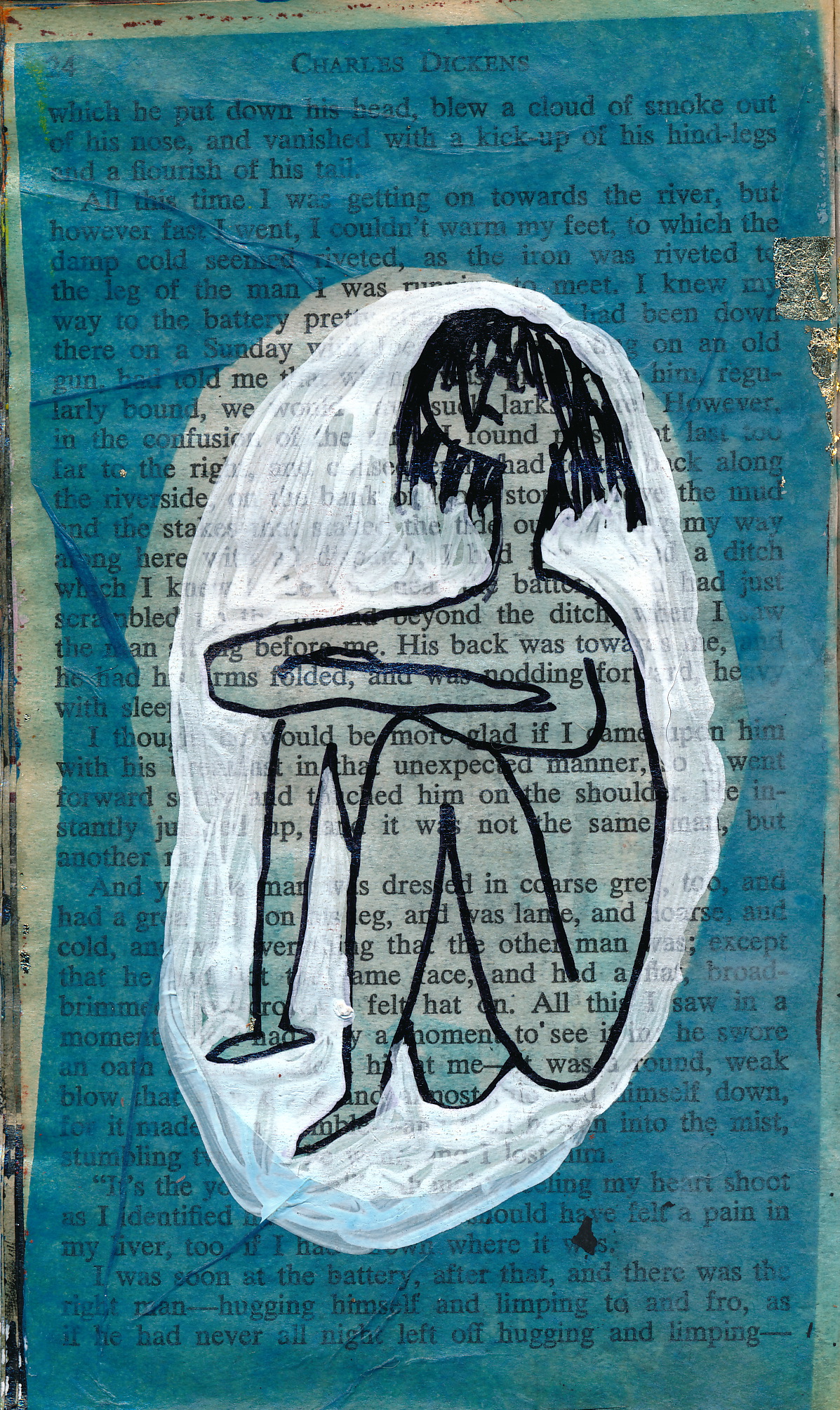 This is the first time we meet Compeyson, the man who abandons Miss Havisham on her wedding day. He is the example of everything that was wrong with London at that time. He uses social status to get him out of trouble, and uses friendship and love for his own personal gains. Have things changed that much since then?
Day/Page/Sketch #15
 The second sentence of this chapter made me gasp. I had to stop and sketch right then and there. I could not resist the endearing metaphor of the crying goblin. Period.
Day/Page/Sketch #14
 A pork pie is a traditional British meat pie. It consists of roughly chopped pork and pork jelly sealed in a hot water crust pastry.It is normally eaten cold as a snack or as part of a meal. There are different gross variations, like the pork and cherry picnic pie. Disgusting.
Day/Page/Sketch #13
 This is a beautiful page on the secret terrors we all go through as kids, and the terrifying nightmares that haunt us all along, until we are able as adults to realize how painful those dark concealed moments were.
Day/Page/Sketch #12
 A prison hulk is a hulk (empty ship) used as a floating prison. They were produced and used extensively in Great Britain by the Royal Navy. Hulks were used as the temporary holding of persons being transported to Australia and elsewhere overseas. The Queen Mary in Long Beach is also a hulk, a haunted one.
Day/Page/Sketch #11
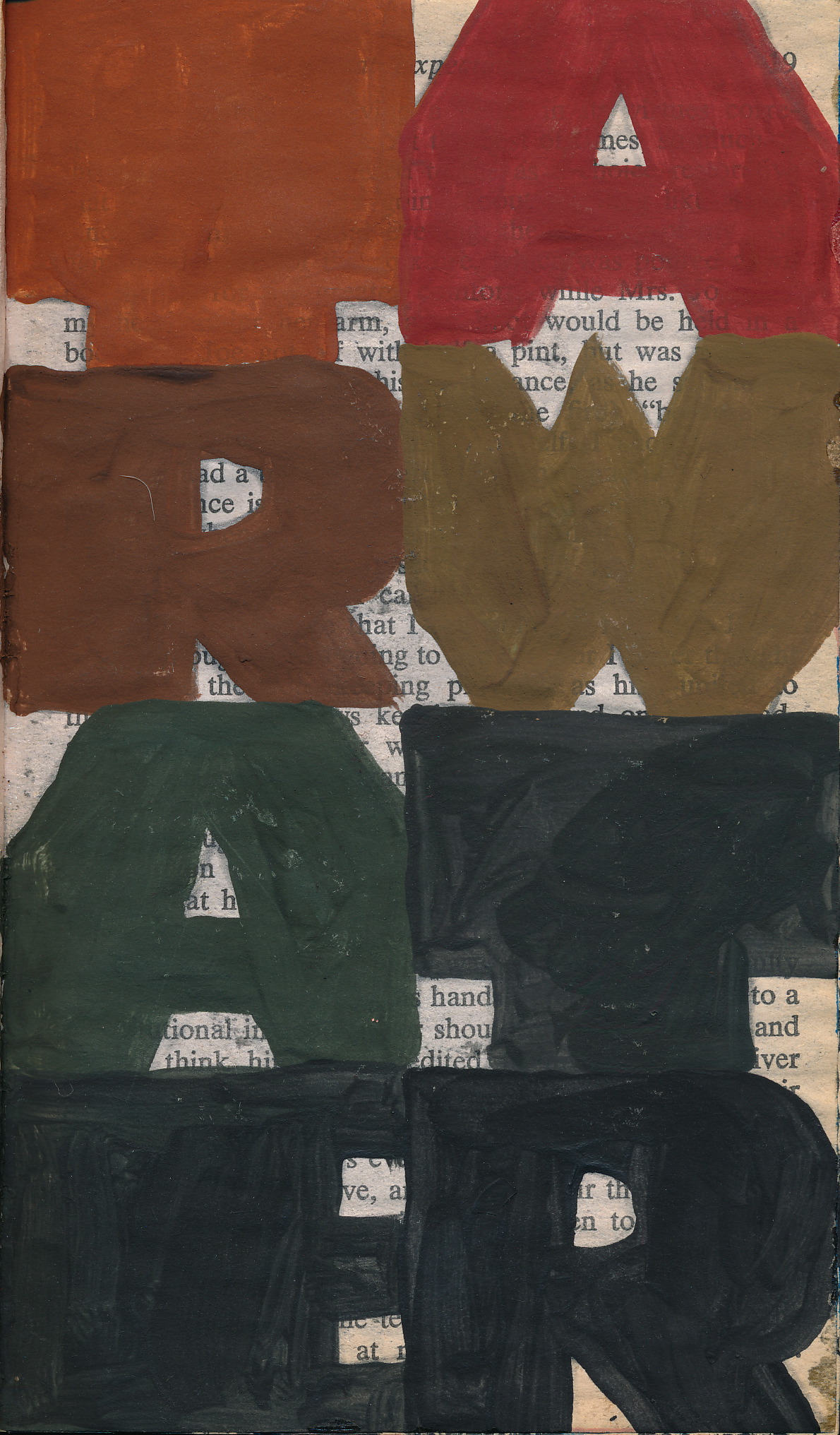 Tar-water is a Medieval medicine consisting of pine tar and water. It was foul tasting and so slowly dropped in popularity, but was revived in the Victorian era. The physician Cadwallader Colden extolled the virtues of pine resin steeped in water, which he also called “Tar water”. The philosopher George Berkeley also lauded tar water in his tract Siris.
Day/Page/Sketch #10
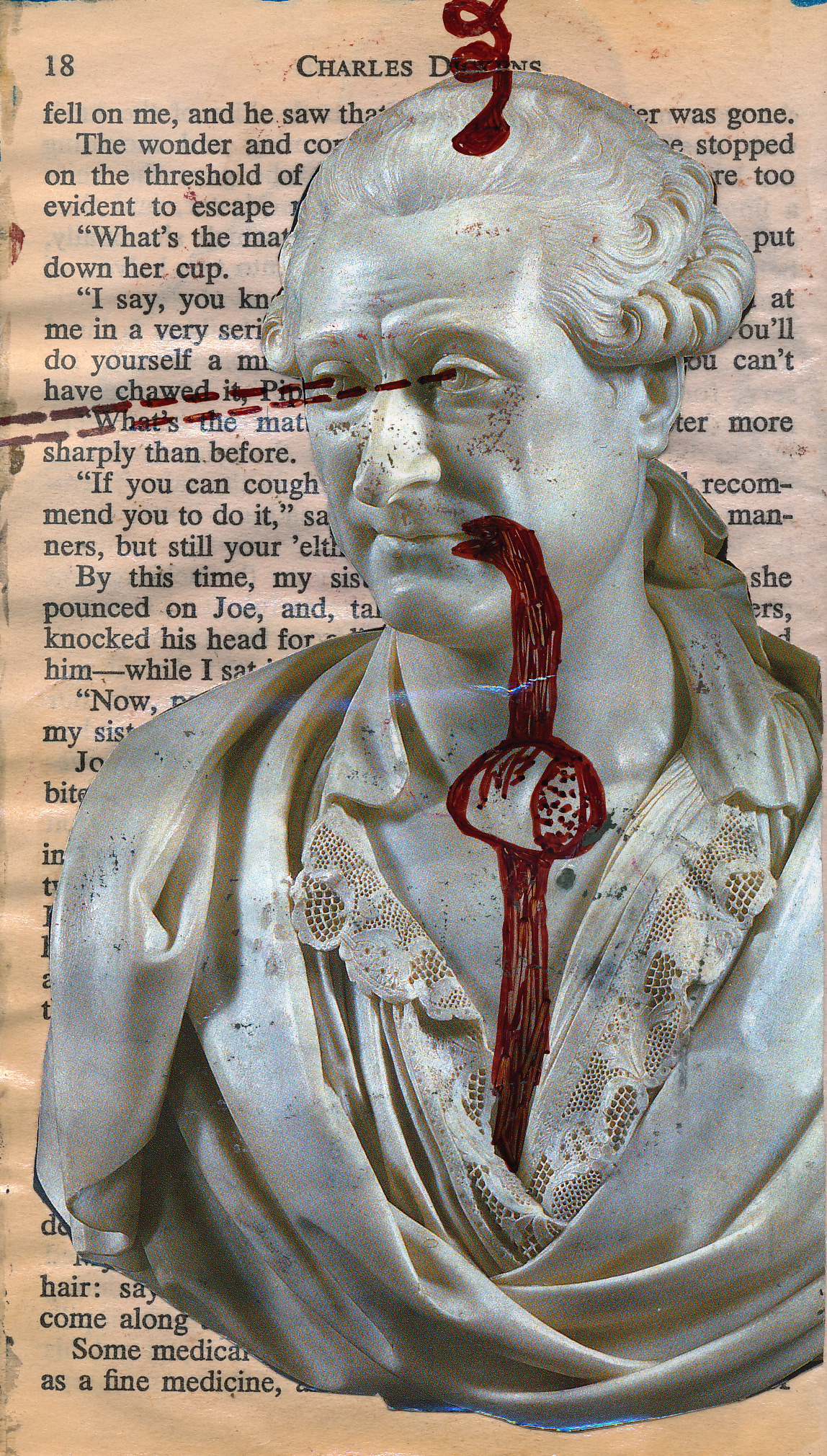 Bolting oneself in food: to eat hurriedly. You can die from it, you know?
Day/Page/Sketch #9
 There is so much in these pages about food: the scarcity, the games, the emotions, how it’s being stored and eaten. It’s like a food dance. Most importantly, all this is about us being around food and how it determines the social class we belong to, plain and simple. Blame Dickens.
Day/Page/Sketch #8
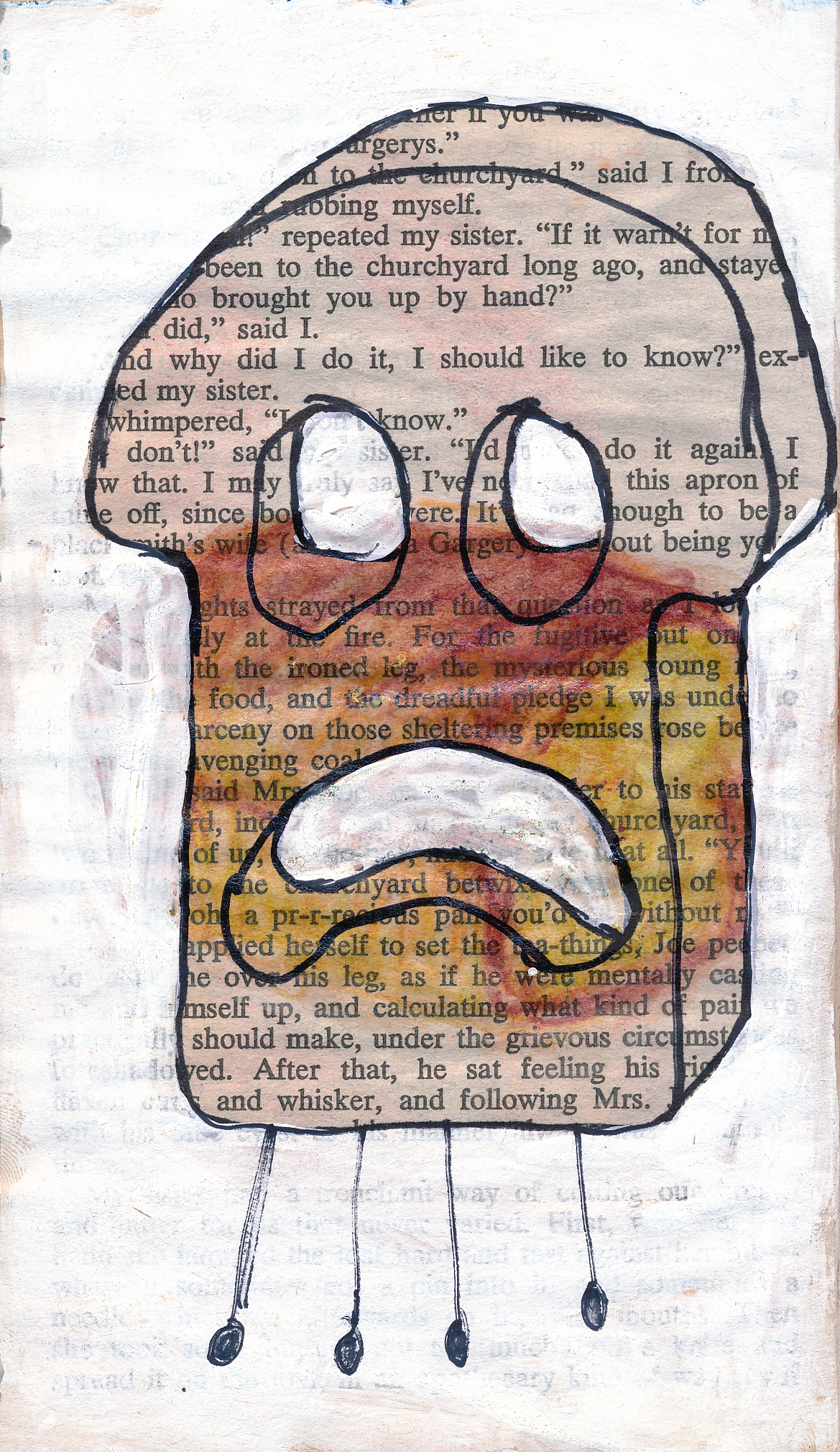 I grew up eating French baguettes slathered with butter and sprinkled with sugar. That’s all I had, day in, day out as a snack in the afternoon. Unlike the buttered bread described in this page, they were made with love, and they had no pins and needles in them, obviously. I am grateful.
Day/Page/Sketch #7
 I love when people give human characteristics to inanimate objects. It’s very Pygmalionist. Let’s be honest, we are all a bit pygmalionists in one way or another. Some people just don’t want to accept that.
Day/Page/Sketch #6
 Sometimes, most of the time, you don’t really need a lot of words to describe something fully. All it takes is a powerful analogy. On the other hand, simple analogies could be so devastating, so negative. Bottom line: be careful when you speak analogies!
Day/Page/Sketch #5
 The gibbet and the beacon in this page stand for two types of people: ‘good’ and ‘bad’. The beacon shows sailors the way home, the light is there to save them from death. The gibbet is for the people who committed criminal activities, there is no light to save them from death. It’s Dickens way of saying we’re all both beacons and gibbets, basically.
Day/Page/Sketch #4
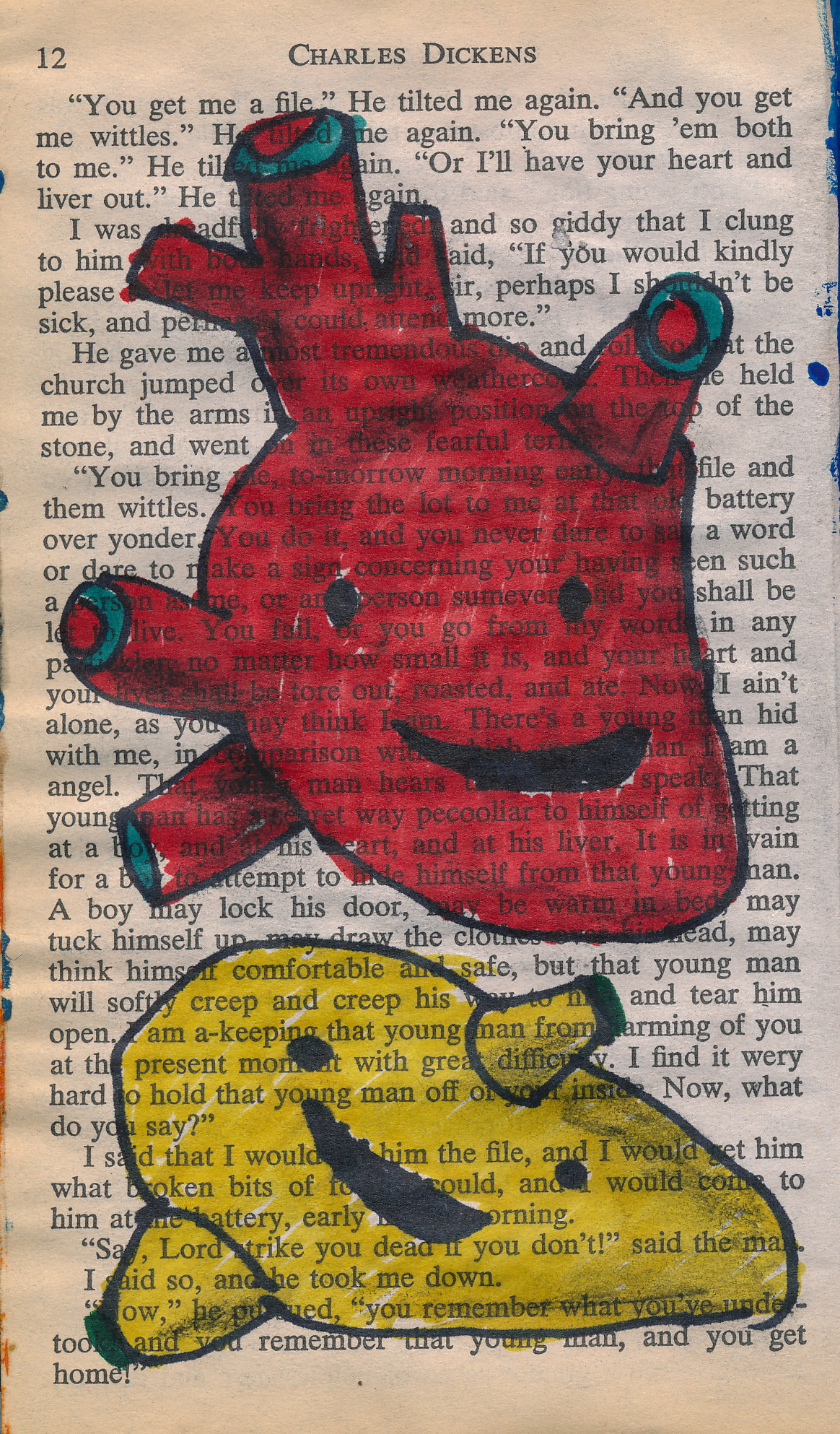 We store emotions in our bodily organs. Ignoble, constrictive, base emotions like cowardice, timidity, guilt, remorse, deceit and duplicity weaken our Heart. Anger, irritability, frustration, resentment, jealousy and envy weaken our Liver. Watch what you feel.
 The Havisham Hour